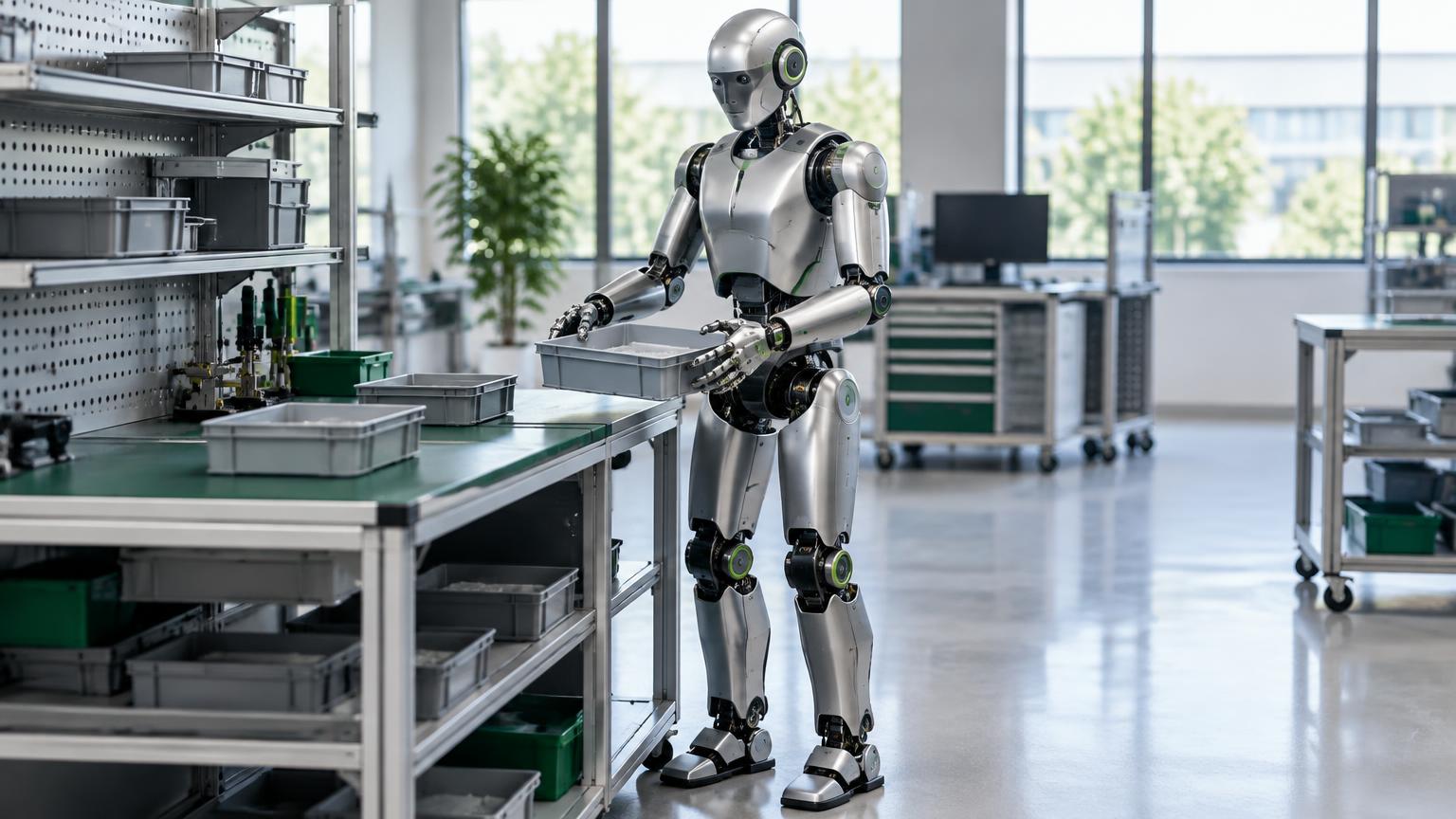
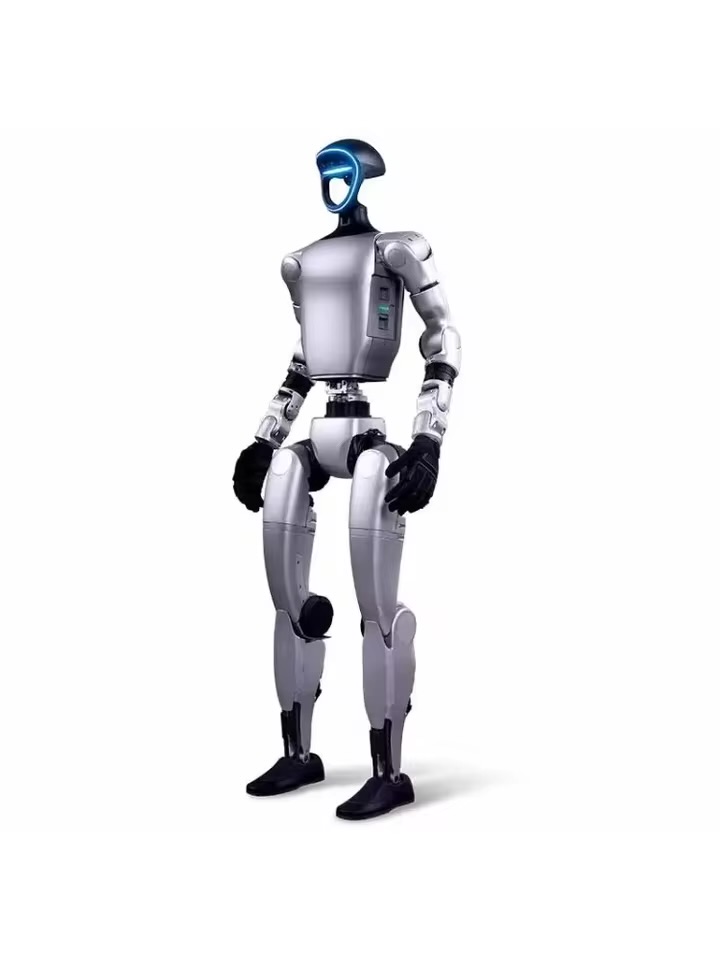
Supplied humanoid robot illustration in a standing pose

Robotics / power-system integration

Hydrogen Fuel Cell Power for Robotics

Explore fuel-cell and battery hybrid power for mobile robotic platforms. Configure a system around your robot’s power demand, operating environment, available space, and mission requirements.

Supplied illustrative imagery. Not an H2Energy Systems product or documented customer integration.

Add endurance to the platforms you already fly with H₂ RangePak

01

Measured duty cycle first

Average demand, transient loads and shift length drive sizing.

02

Complete installed system

Storage, battery, cooling and conversion all count toward weight and space.

03

Application-specific safety

Ventilation, fuel access and shutdown requirements are assessed for your platform.

Potential applications

Start with the robot. Not the fuel cell.

These are potential applications, not validated integrations. Product selection and suitability require engineering assessment.

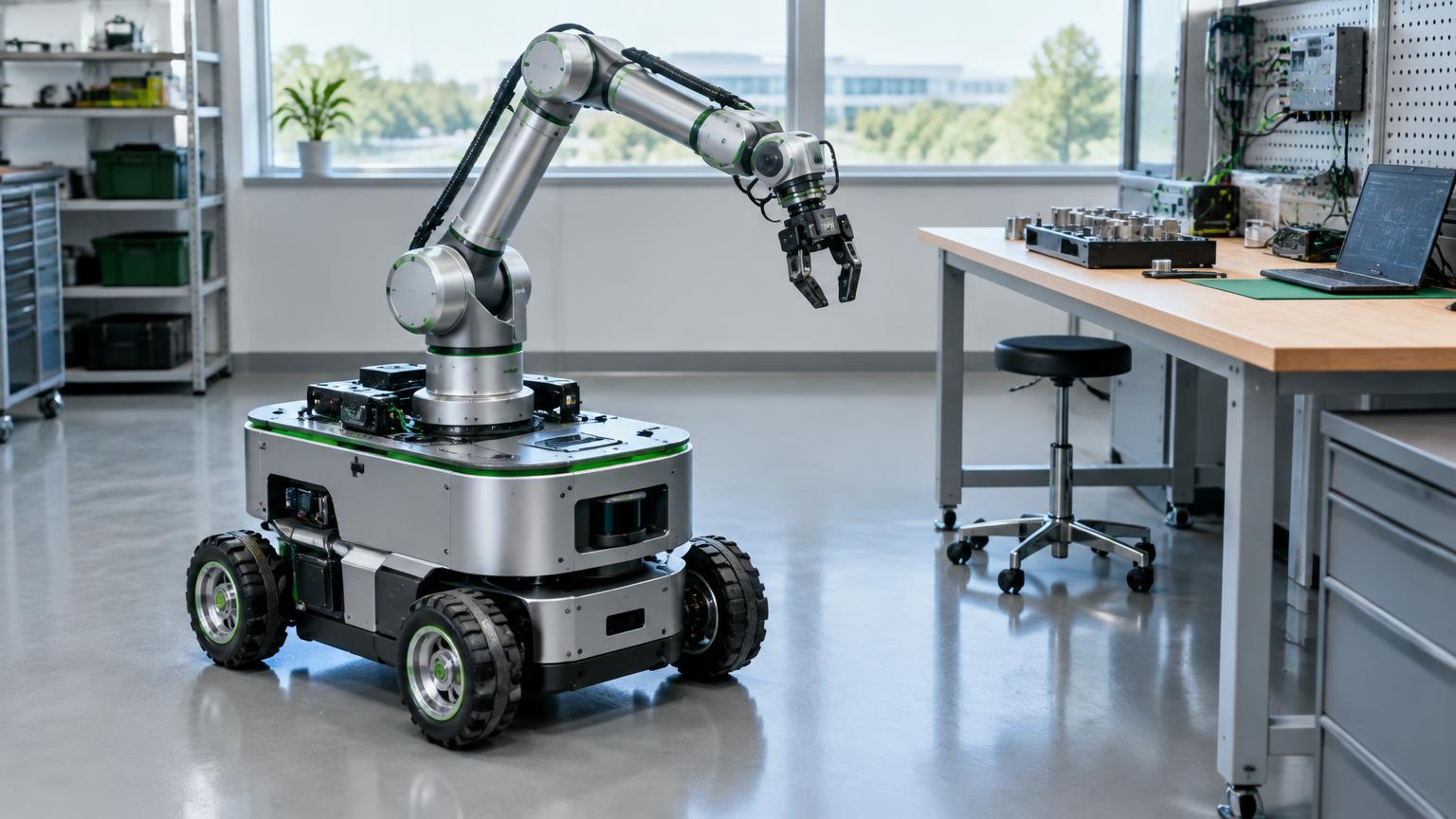
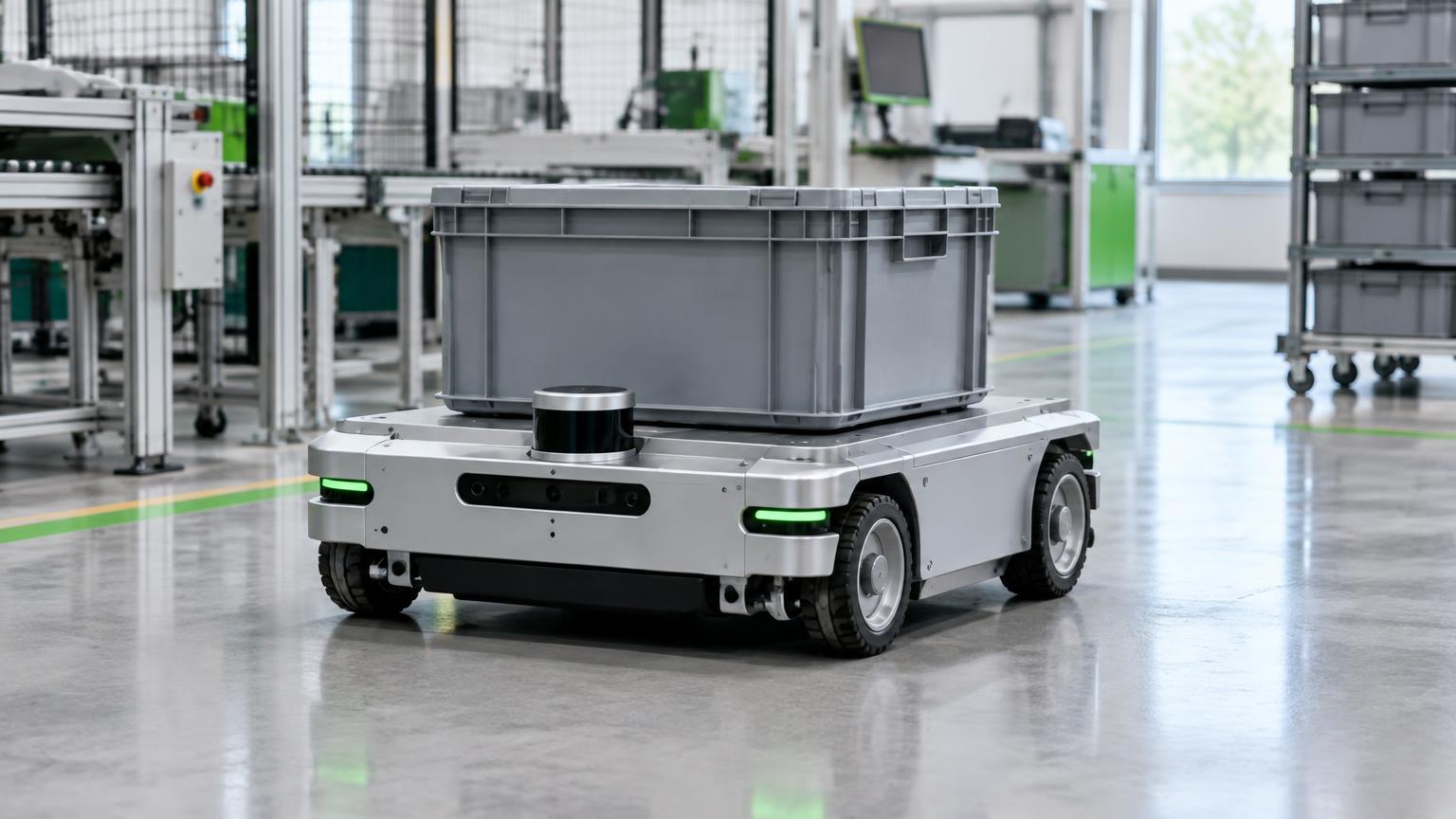
AI-generated photographic concept of Autonomous mobile robots & AGVs; not an H2ES product or documented integration

Indoor & logistics

Autonomous mobile robots & AGVs

Repeated travel and stop–start loads can constrain shift availability.

A fuel-cell hybrid may supply sustained energy between refueling opportunities.

Integration & product options

Measure traction peaks, docking cycles, ventilation and safe refueling access. Indoor use requires a site-specific safety assessment.

Integrated system, hybrid battery and storage options — engineering assessment required.
Discuss this application
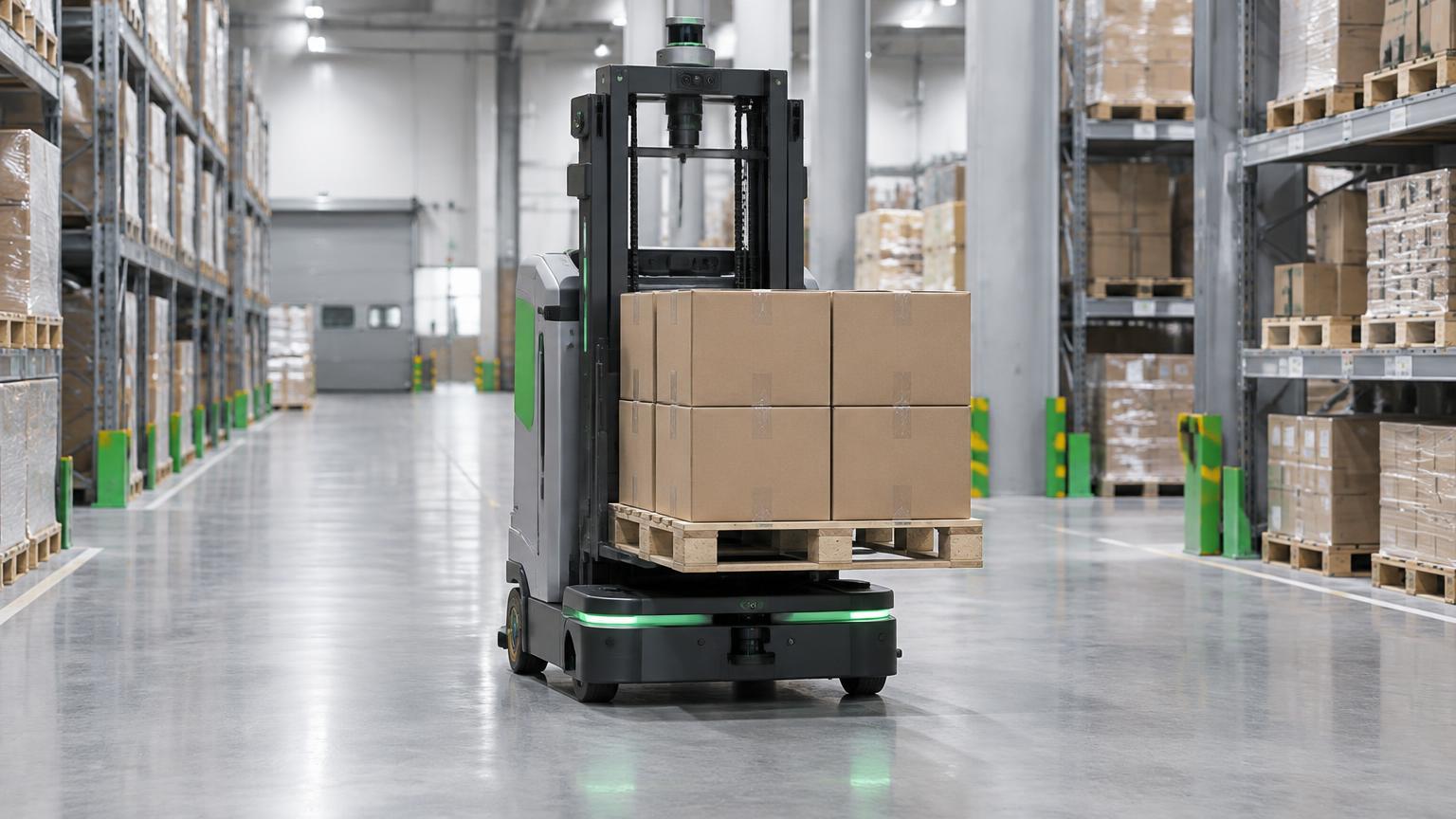
AI-generated photographic concept of Warehouse & material handling; not an H2ES product or documented integration

Indoor & logistics

Warehouse & material handling

Lift cycles and variable payloads produce short peaks above average travel demand.

A battery can buffer lift and acceleration loads while a fuel cell supports the average demand.

Integration & product options

Review lifting duty cycle, payload changes, aisle clearances, heat rejection and facility hydrogen policy.

Hybrid system and fuel delivery — engineering assessment required.

Discuss this application
AI-generated photographic concept of Humanoids & mobile manipulators; not an H2ES product or documented integration

Research & custom

Humanoids & mobile manipulators

Dynamic actuation has rapidly changing loads within a constrained installation envelope.

Fuel-cell energy may complement a peak-power battery where packaging permits.

Integration & product options

Evaluate center of gravity, fall hazards, motion loads, shutdown controls and proximity to people.

Compact modules and hybrid systems — engineering assessment required.
Discuss this application
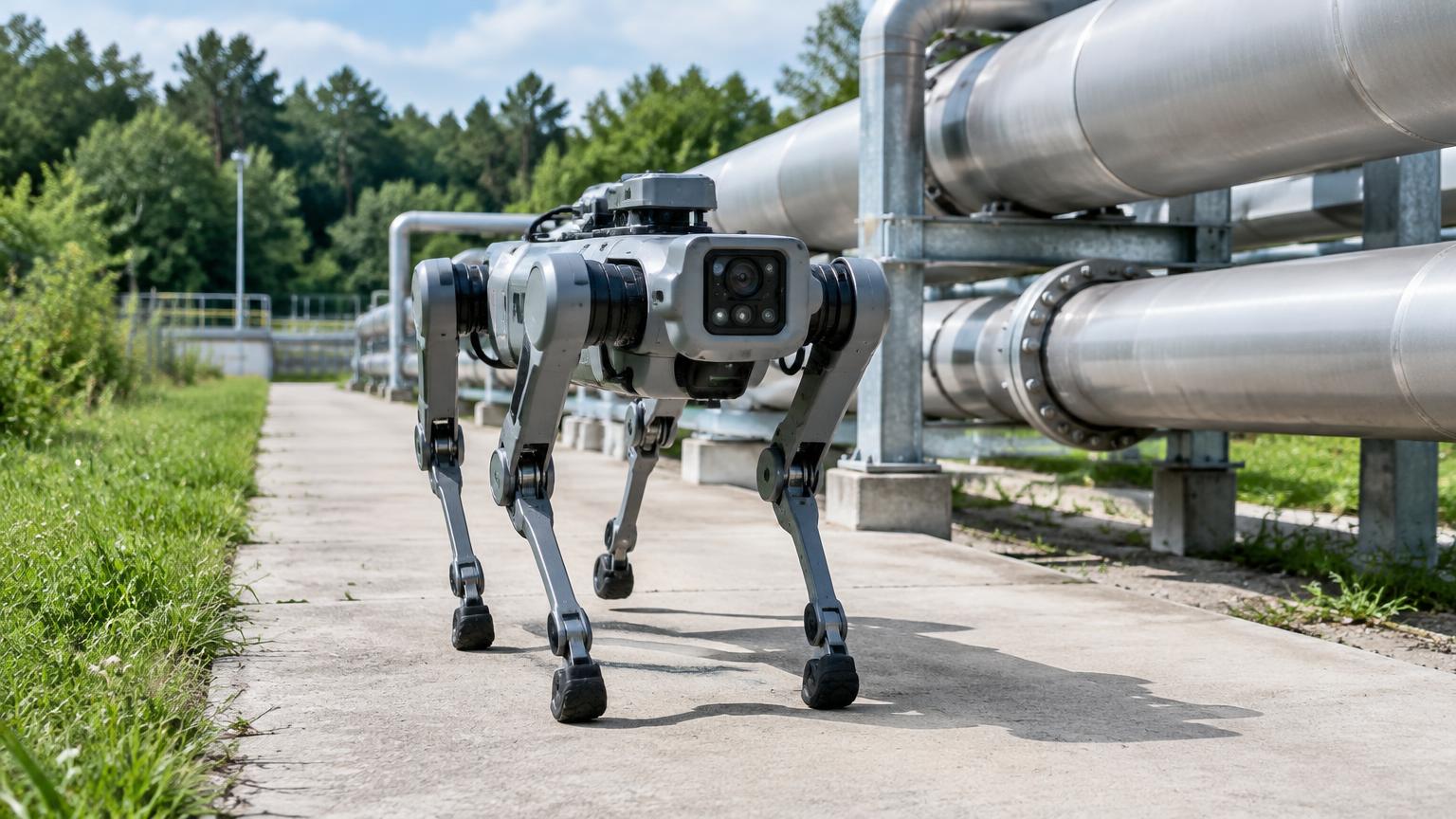
AI-generated photographic concept of Quadruped inspection & security; not an H2ES product or documented integration

Outdoor & field

Quadruped inspection & security

Inspection routes combine sustained walking, high transient loads and remote access.

A hybrid may support sustained inspection without sizing the fuel cell for every gait transient.

Integration & product options

Assess vibration, stability, payload interfaces, ventilation and canister or cylinder access.

Compact module, hybrid battery and storage — engineering assessment required.
Discuss this application
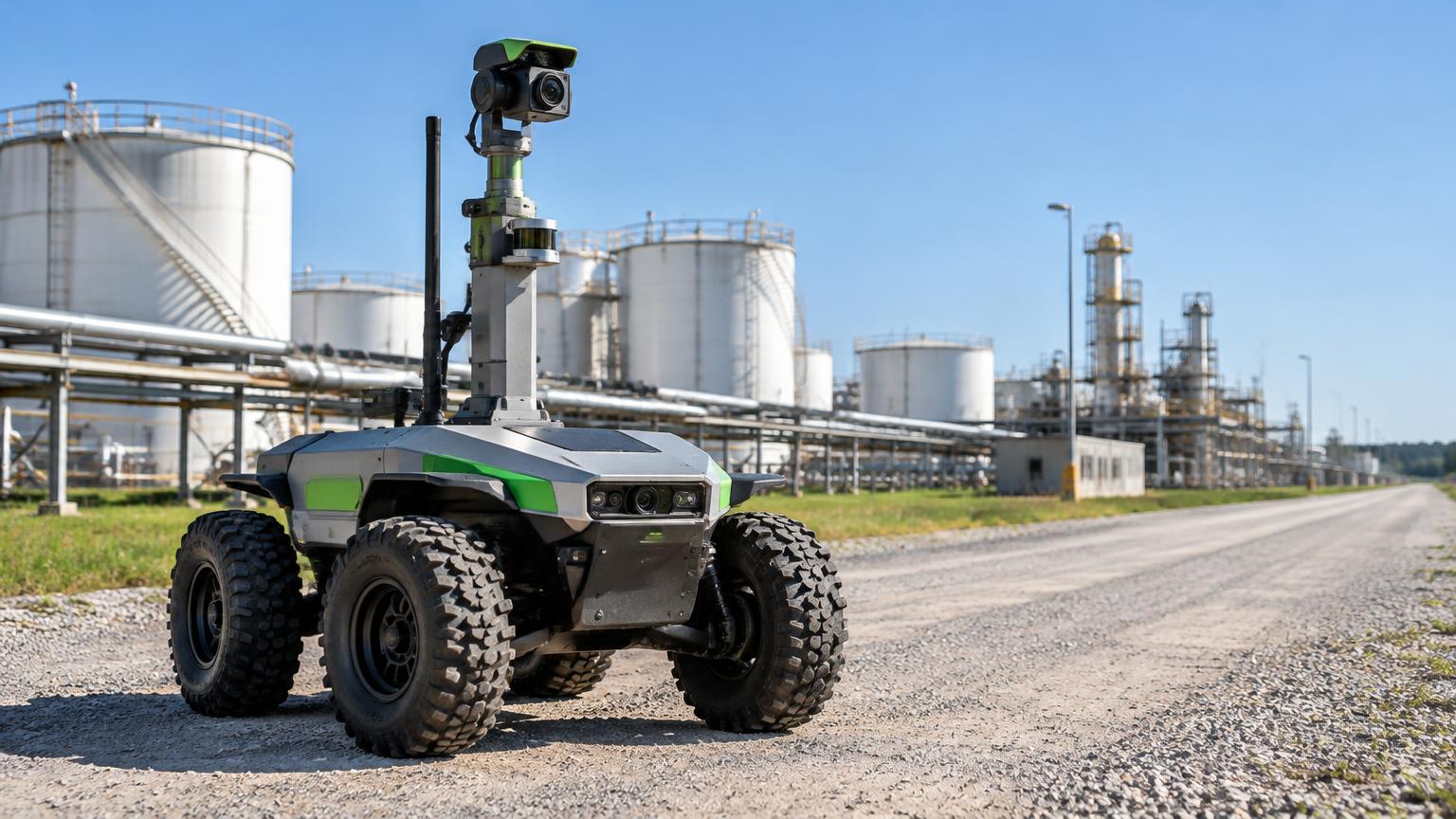
AI-generated photographic concept of Energy & infrastructure inspection; not an H2ES product or documented integration

Outdoor & field

Energy & infrastructure inspection

Distributed sites demand long routes with limited charging access.

Fuel-cell energy may support mobile sensing when hydrogen supply is practical.

Integration & product options

Assess hazardous-area restrictions, detection, dust, ingress, communications and emergency shutdown.

Integrated power system and fuel delivery — engineering assessment required; no hazardous-area approval implied.

Discuss this application
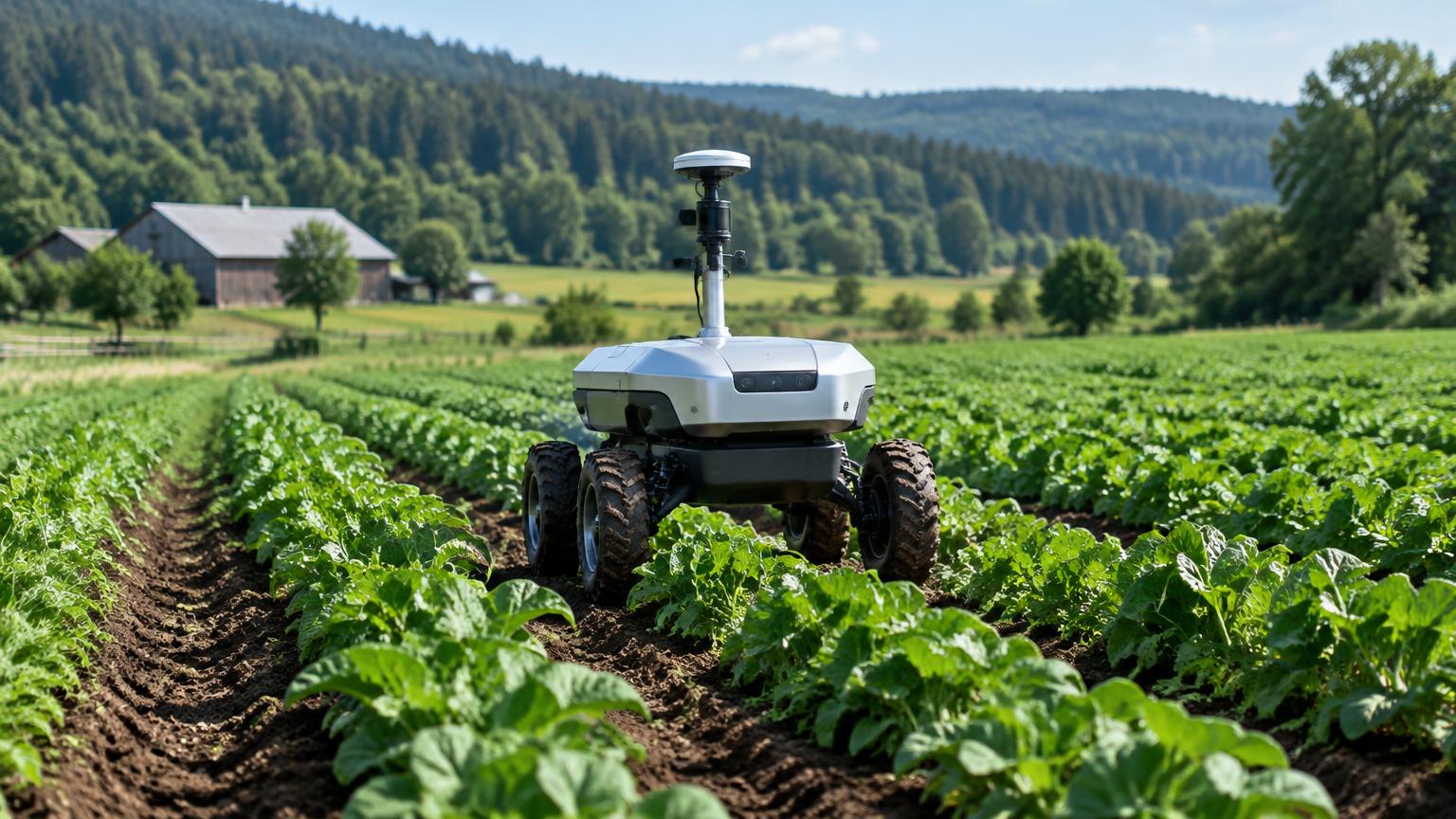
AI-generated photographic concept of Agriculture, forestry & environment; not an H2ES product or documented integration

Outdoor & field

Agriculture, forestry & environment

Remote work and changing terrain complicate energy replenishment.

Hydrogen may be an energy option for repeated field operation with a defined resupply plan.

Integration & product options

Review weather, mud, dust, gradients, vegetation, heat rejection and fuel transport.

Integrated or hybrid system and storage — engineering assessment required.
Discuss this application
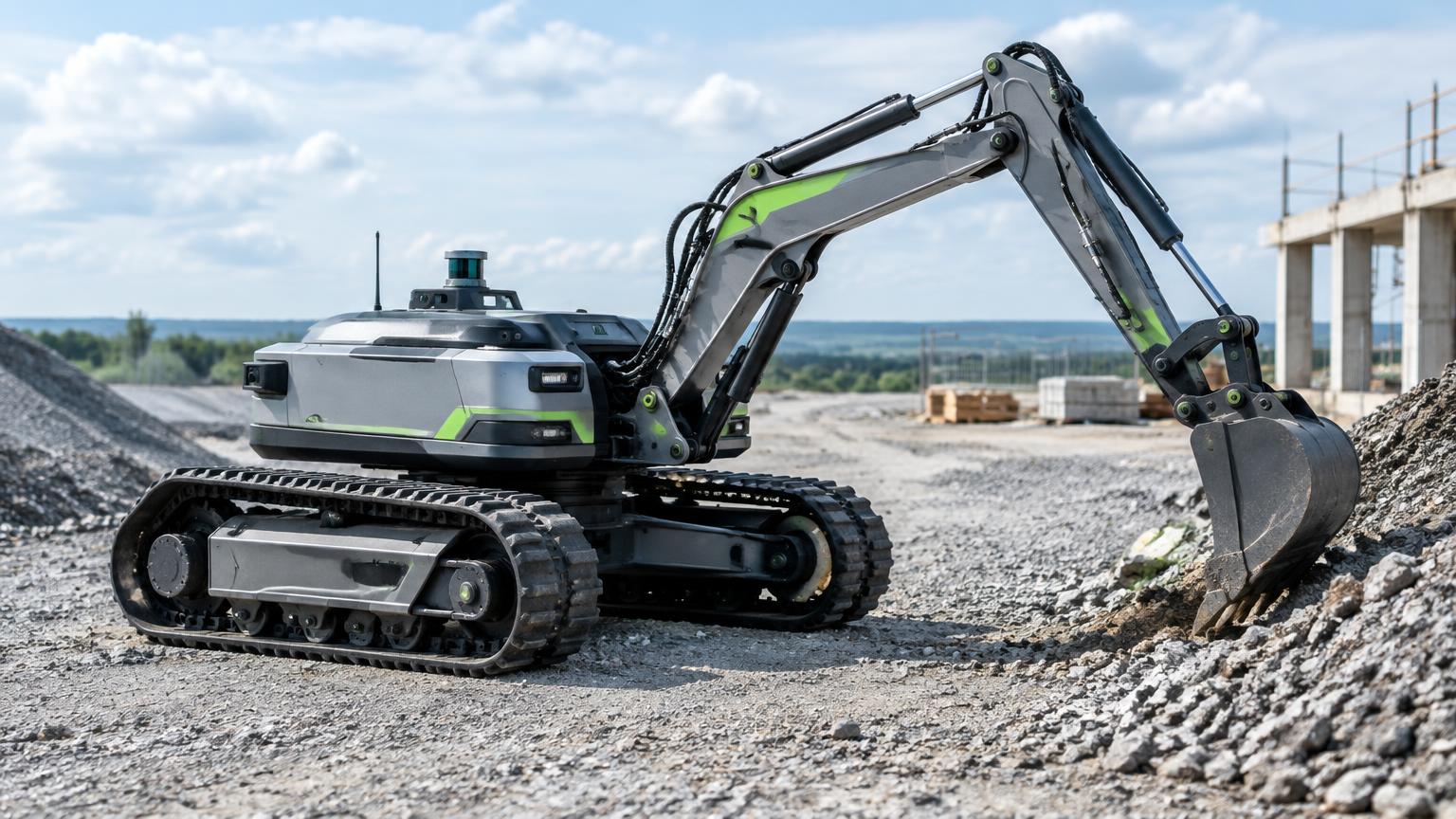
AI-generated photographic concept of Construction, mining & heavy duty; not an H2ES product or documented integration

Outdoor & field

Construction, mining & heavy duty

High peak loads, shock and harsh environments stress the complete power system.

Fuel cells may contribute sustained energy only when a documented product matches measured demand.

Integration & product options

Review shock, vibration, protection ratings, duty cycle, site rules and safe storage. No higher-power model is currently published.

Contact us for specifications; power capability and availability are not established.

Discuss this application
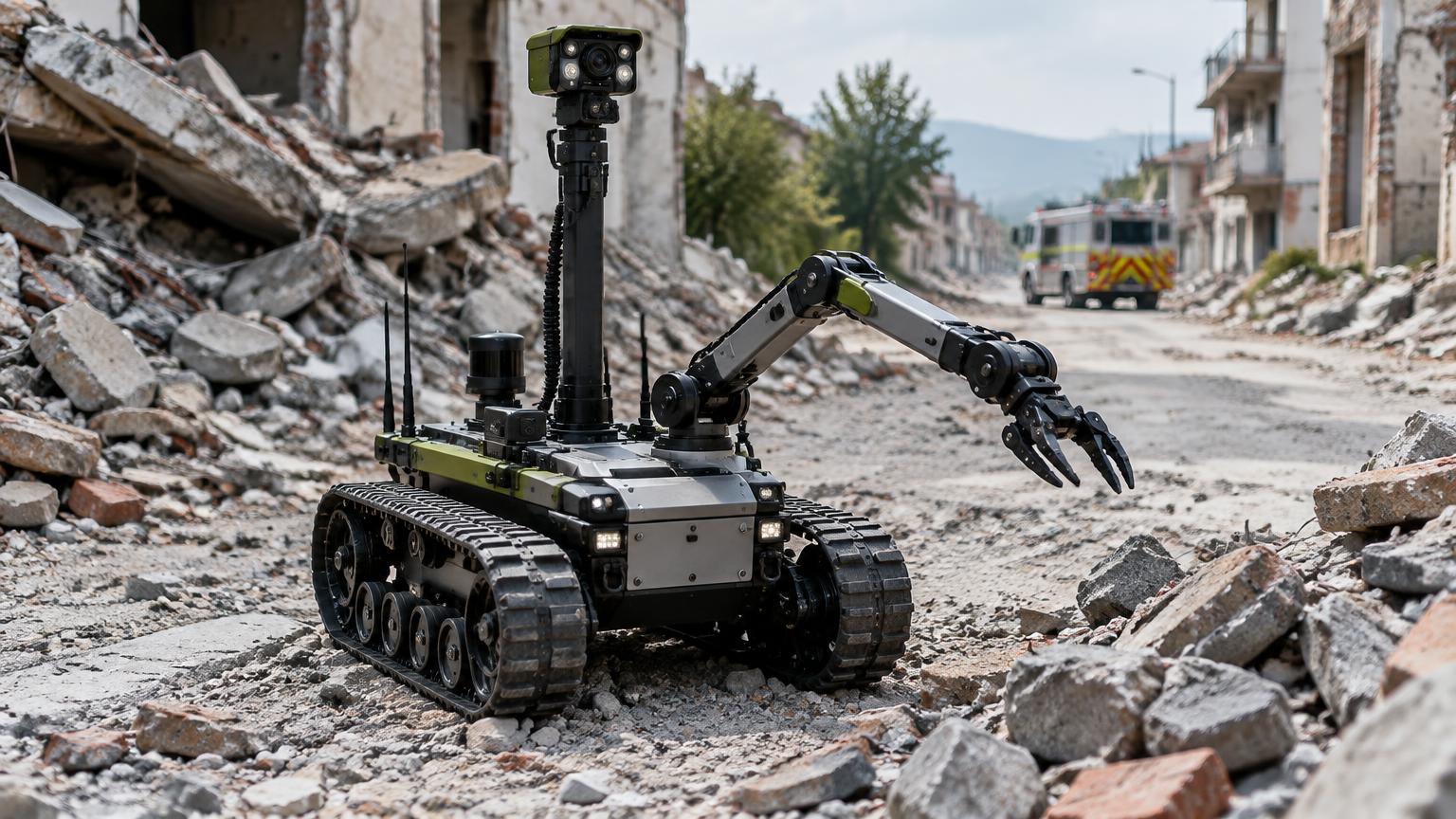
AI-generated photographic concept of Emergency response & search and rescue; not an H2ES product or documented integration

Outdoor & field

Emergency response & search and rescue

Unpredictable missions require energy logistics independent of damaged infrastructure.

A hybrid may support mobile sensing where fuel can be transported and replenished safely.

Integration & product options

Assess deployment time, reliability, operator training, debris, water exposure and fuel access.

Integrated or hybrid system — engineering assessment required; no guaranteed response endurance.

Discuss this application
AI-generated photographic concept of Research & custom platforms; not an H2ES product or documented integration

Research & custom

Research & custom platforms

Novel platforms need measured loads and a clear interface before selecting hardware.

Modular power architectures can be assessed against a defined research duty cycle.

Integration & product options

Agree electrical interfaces, test instrumentation, safety ownership and a staged validation plan.

Bare-stack development or integrated-system review; stack data is not complete-system performance.

Discuss this application
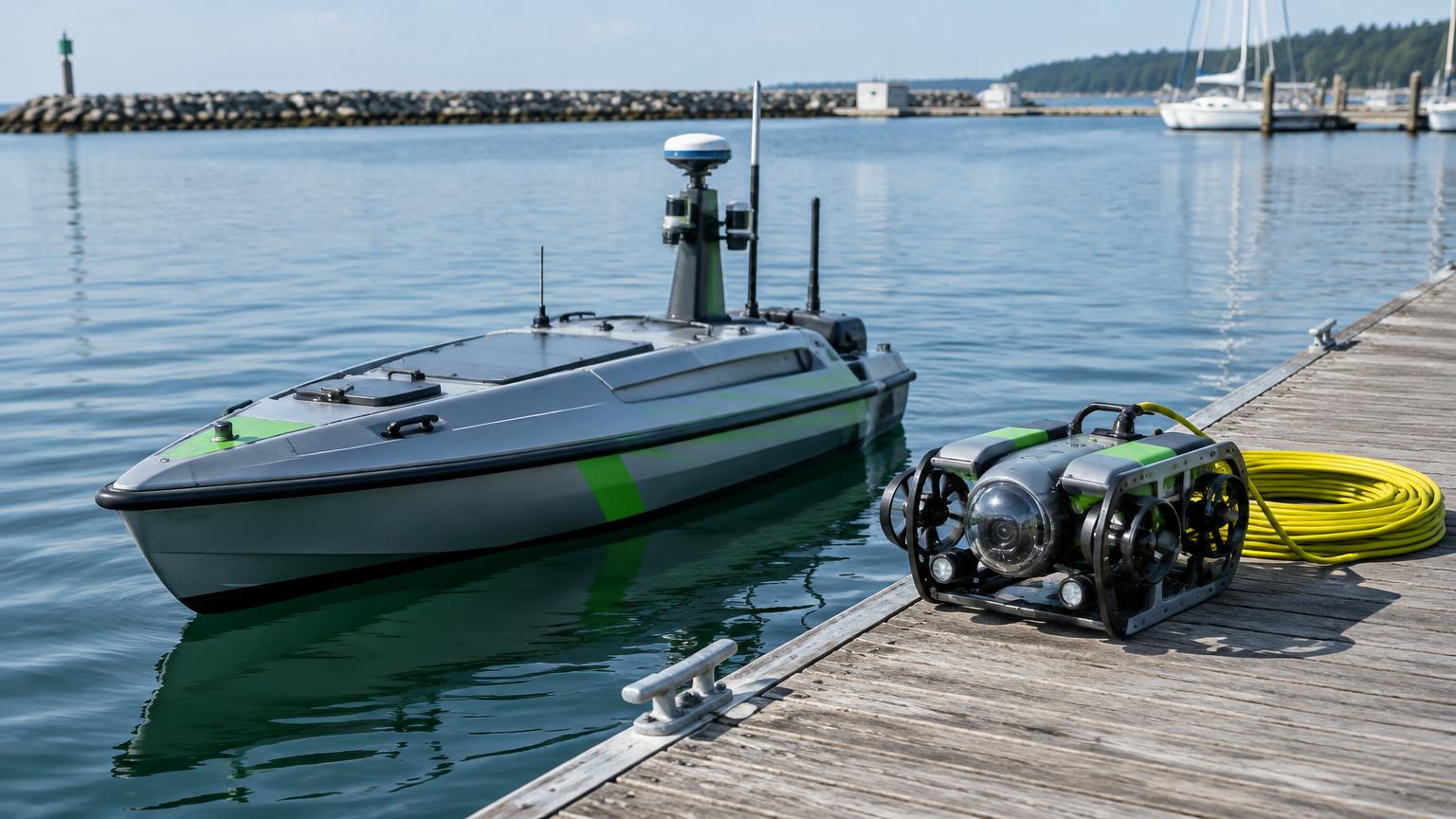
AI-generated photographic concept of Marine & underwater robotics; not an H2ES product or documented integration

Marine

Marine & underwater robotics

Water exposure and oxygen availability fundamentally change the power architecture.

Surface-supported power can be assessed separately from a submerged onboard system.

Integration & product options

Standard air-breathing fuel cells do not operate underwater. Submerged systems require onboard oxidant, specialized engineering, containment and pressure assessment.

Application-specific engineering assessment only; no standard submerged product is offered.

Discuss this application

Aerial robotics: explore our existing aircraft power-system integration work.

Integration Test Bed

Fuel-cell systems

Specifications you can trace.

Robotics models are published only after source verification and publication approval. Availability, indoor use and platform compatibility are not assumed.

Compare systems

Source review pending

Verified robotics catalog awaiting source approval.

Model-specific documents and approved product assets must be reviewed before products are published. Existing aviation figures are not presented as verified robotics specifications. Contact us for specifications.

Discuss Your Application

Hybrid architecture

Sustained energy. Buffered peaks.

A fuel cell can support sustained energy demand while a battery handles startup and short power peaks. Actual sizing depends on the robot’s measured duty cycle.

Hydrogen storage

Storage format selected per application

Regulation & fuel delivery

Pressure, purity and flow interfaces

Fuel-cell system

Sustained electrical generation

Power electronics / DC bus

Voltage conversion and protection

Robot

Traction, actuators and payload

Hybrid battery ↔ DC bus

Startup and transient loads. Charging control depends on the architecture.

Illustrative architecture, not a validated system configuration. Regenerative energy handling is included only where the robot, battery and power electronics support it.

Packaging & installation space

Center of gravity & stability

Shock & vibration

Heat rejection & cooling

Ventilation & air supply

Hydrogen detection

Shutdown & isolation controls

Refueling access

Benefits & suitability

Is hydrogen right for your robot?

Compare the complete installed system with your current battery architecture, not fuel-cell stack mass alone.

Potential benefits, where the application supports them

  • Longer operating time where the complete system offers an energy advantage.
  • Reduced charging downtime where suitable refueling infrastructure exists.
  • Support for sustained mobile operation.
  • Potential reductions in battery capacity after duty-cycle sizing.
  • Low local exhaust emissions during fuel-cell operation; lifecycle emissions depend on hydrogen supply.

The fit assessment

Review average power, peak loads, shift length, storage space, ventilation and local fuel availability. Include the battery, hydrogen vessel, cooling, controls and power conversion in the installed weight and volume.

Where hydrogen may not fit

Short missions, easy battery charging, insufficient ventilation, constrained storage or unavailable fuel can favor a battery-only system. Indoor suitability and certification require specific evidence. No endurance improvement is guaranteed.

Engineering inquiry

A clear path from duty cycle to system review.

  1. 01

    Application brief

    Share the robot type, operating challenge and non-confidential requirements.

  2. 02

    Engineering assessment

    Review the duty cycle, electrical interfaces, packaging, safety and hydrogen logistics.

  3. 03

    Scoped next step

    Agree the prototype, integration and validation scope before committing to hardware.

Request a Robotics Power Assessment

Prices by quotation. Assessment is not an automated compatibility claim.